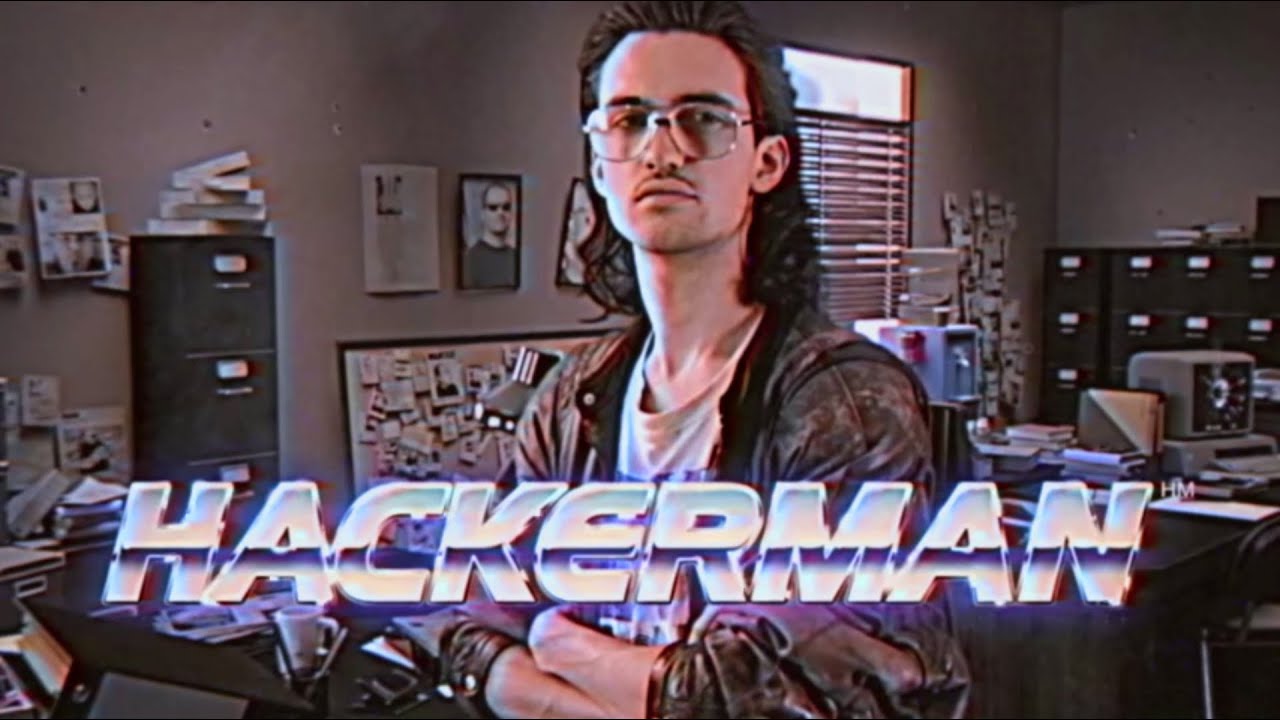
Hackerman Hacks Time

"My software turned into hardware after watching this"

@jerryjacobsunny55747y ago
6.9k

Hackerman Hacks Time

The "Hackerman" sequence from David Sandberg’s 2015 Kickstarter-funded phenomenon, Kung Fury, is a glorious masterclass in aesthetic overload. Set to a pulsing, retro synthwave soundtrack, the viral scene features Leopold Nilsson as the ultimate 1980s stereotype. Donning mirrored sunglasses and furiously typing nonsense on a wall of glowing CRT monitors, his goal is delightfully absurd: to literally "hack time".

By treating temporal displacement as a mere firmware issue solvable with a Nintendo Power Glove, the film lovingly parodies every cliché "hacker" scene from cheesy action cinema.

System Requirements for Time Travel

The internet's enduring love for this clip stems from its deadpan delivery of nonsensical tech-babble. Instead of relying on quantum physics, Hackerman strictly relies on legacy system architecture. User @Rastek19 highlighted the video's most iconic hardware flex, quoting the line, "First of all, you need a lot of RAM At least 256 Kilobytes".

That specific retro-hardware limitation triggered a wave of nostalgic panic in the comments, with @TheMarcodiator perfectly capturing the era's computing struggles by replying, "256 kilobytes? ARE YOU CRAZY? WHERE THE HELL AM I GOING TO FIND ALL THAT RAM?".

Over-Engineering an Alpha State

The sheer alpha-energy of hacking the timeline with a mechanical keyboard and matrix-style scrolling text prompted our top hero commenter, @jerryjacobsunny5574, to drop the legendary observation: "My software turned into hardware after watching this".

Meanwhile, others appreciated the highly literal, real-world execution of the script. Fellow hero commenter @robertbick986 pointed out the video's undeniable effectiveness, joking, "Watching this video transported me almost 4 minutes into THE FUTURE".

The Missing Dependency

Despite the successful compilation of the time hack, the tutorial leaves viewers with a critical, unresolved syntax error. As curated commenter @PaintHuffer1209 astutely noted, "'Where did Hackerman go?' is the biggest unanswered cliffhanger ever". Whether his code trapped him in the mainframe or successfully deployed him across the timeline, Hackerman remains the patron saint of over-engineered, logic-defying programming.

Do you find this post helpful?
2 people found this post funny
Comments:
The Accidental Legend of "Dimitri Finds Out"

"Never ask a woman her age, A man, his salary, And Dmitri which style of music is playing right now."

@kalinskivadim5y ago
29k

The Accidental Legend of "Dimitri Finds Out"

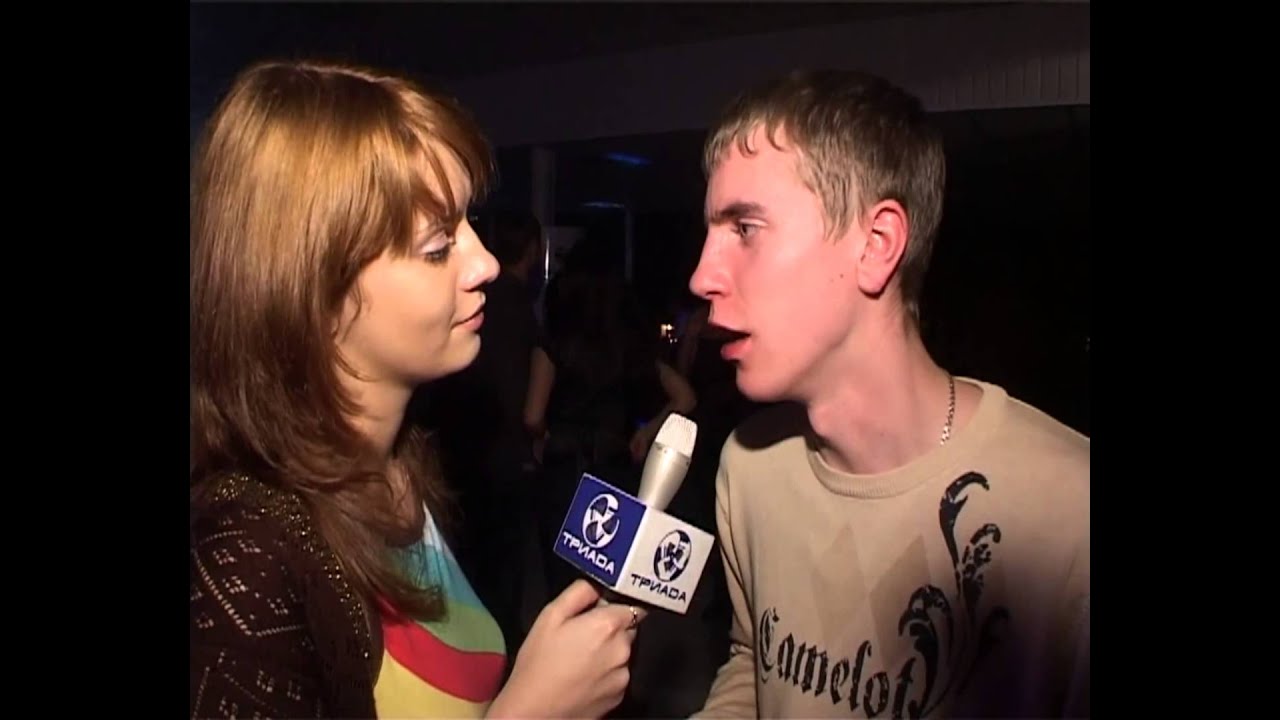
Long before it became one of the internet's most heavily recycled reaction templates, this legendary clip was just a random, forgotten bit of local news footage from Russia. Back in 2008, a local TV crew was shooting a standard segment at a nightclub called Compass in the city of Veliky Novgorod, asking club-goers what they thought of the music playing that night.

What they captured was an absolute masterclass in unintentional comedy. The core joke of the original video lies in its sheer irony: "Dimitri" is caught on camera bitterly complaining about how terrible and repetitive the club music is, only to instantly lose himself in euphoric, funky dance moves the very second a new—yet fundamentally identical—track begins to play. Anyone who truly appreciates classic electronic dance music knows exactly how a subtle shift in a bassline or a synth progression can instantly flip a track from disappointing to an absolute banger, and Dimitri’s sudden pivot captures that magic perfectly.

The Community Reacts: The Duality of Man

The internet has spent over a decade dissecting Dimitri's sudden shift from profound disappointment to pure rave euphoria. The community's curated comments perfectly capture why this video remains a masterpiece of digital culture:

  • The Unspoken Rule: Hero commenter @kalinskivadim laid down the ultimate confusion of Dimitri: "Never ask a woman her age, A man, his salary, And Dmitri which style of music is playing right now."

  • The Perpetual Cycle: Highlighting the sheer commitment to the rave, @KamiSamaisTriggered noted, "Legends say he visits that club every night just to get disappointed".

  • The Sudden Shift: @macblink perfectly summarized the chaotic energy of the video: "He complains about the music, and the next second he's dancing like it's the best party ever 😂".

  • The Lore and Aesthetic: @kostaftp elevated the man to a mythical status with, "Dimitri knows something the rest of us cannot even grasp," while @derfeuerwerker2177 pointed out the crucial visual atmosphere: "144p for true slav experience", highlighting the socio-economic difference between western Europe and eastern Europe in a humorous way.

The Anatomy of a Viral Format: The "Late Realization"

While the fake subtitles initially focused on random rants, the meme evolved into something much smarter. Today, the format is widely used to portray the agonizing feeling of a delayed realization—understanding something obvious, or finding an elegant solution way later than you should have.

The format perfectly mirrors the feeling of doing things the hard way before an easier path suddenly "drops." A brilliant example is the legendary academic edit of Dimitri struggling to solve differential equations, only to suddenly discover Laplace transformations. For anyone who has ever survived the brutal advanced math courses of an engineering or science degree, that sudden wave of relief when you realize you can just use the Laplace shortcut hits exactly as hard as Dimitri's beloved beat drop.

The Soundtracks

The transition from disgust to joy wouldn't work without a massive, atmospheric beat. When discussing the video's iconic, pulsating background soundtrack, hardcore trance and progressive house enthusiasts frequently point to heavy-hitting anthems like Sander Van Doorn's "Riff", Joonas Hahmo's "Sound of Sunday" and Alexander Popov feat. Syntigma's "Atlantida" It is the exact kind of high-energy, driving rhythm that commands a dancefloor, forcing even the most cynical club-goer to instantly start moving.

A Timeless MEME Template

In a digital landscape where memes die out in a matter of weeks, "Dimitri Finds Out" has achieved total immortality. It thrives because it captures a universally relatable human experience: the sheer, undeniable power of finally "getting it," whether that means understanding a complex math equation or just feeling the rhythm of a good song. Whether you are using it to mock a disastrous corporate announcement, lamenting a late realization, or just appreciating the vintage 144p nightclub aesthetic, Dimitri's passionate rant and subsequent dance moves remain one of the most versatile and beloved artifacts in internet history.

Do you find this post helpful?

Comments:
Origin of 'Hello There' Star Wars meme

"If you say "Hello There" and she responds with "General Kenobi", she's the one."

@natathevoiceguy6y ago
35.3k

Origin of 'Hello There' Star Wars meme

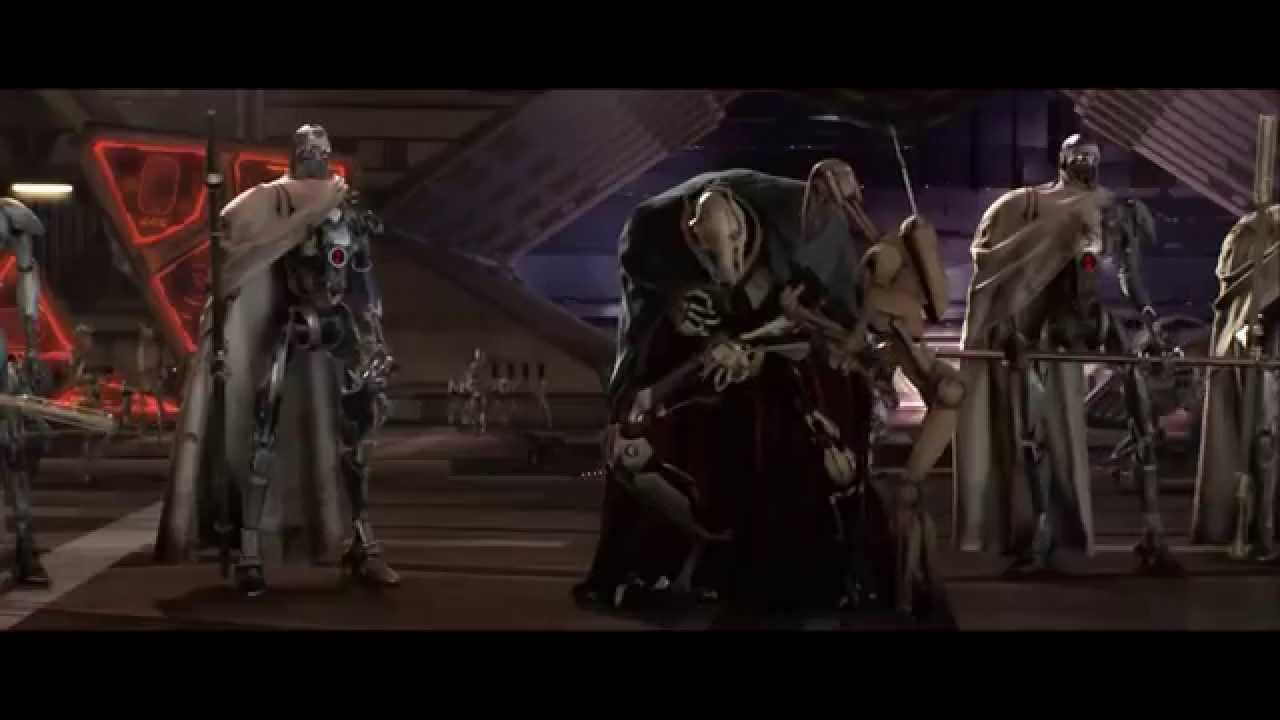
In the sprawling, galaxy-spanning history of the Star Wars franchise, few lines of dialogue have achieved the absolute immortality of a simple, two-word greeting. The meme originates from George Lucas's 2005 blockbuster, Star Wars: Episode III — Revenge of the Sith, during the climax of the Clone Wars, Jedi Master Obi-Wan Kenobi (played by Ewan McGregor) tracks the cyborg General Grievous to the sinkhole world of Utapau.

Surrounded by hundreds of battle droids, Grievous prepares for an overwhelming standoff. Instead of a stealthy assassination or a massive orbital strike, Obi-Wan drops from the rafters—landing directly in the middle of the enemy army. He casually rises, looks at the terrifying cyborg general wielding four lightsabers, and delivers a dry, completely unbothered greeting: "Hello there." Grievous immediately responds with his own iconic, raspy line: "General Kenobi. You are a bold one."

The Community Reacts: A Galactic Inside Joke

Over the years, this moment of absolute nonchalance became the ultimate internet response to an unnecessary show of force. The community comments highlight exactly why the fanbase refuses to let this moment go:

  • The Poetic Cinema: Hero commenter @MrSuperpewp points out a brilliant piece of franchise poetry: "This is even better when you realize "hello there" were Obi-Wan's first spoken words in A New Hope."

  • The Ultimate Sacrifice: Known for strictly adhering to tactical advantages, Obi-Wan's drop sparked hilarious debates. @lordgreyblack8326 noted, "He gave up the high ground just to politely greet the other general. Respect the best master." @Argenteux echoed the sentiment, asking, "Are we forgetting that Obi Wan jumped off the high ground in this scene?"

  • The Litmus Test: The exchange has literally become a cultural handshake. @natathevoiceguy stated the ultimate relationship goal: "If you say "Hello There" and she responds with "General Kenobi", she's the one."

  • The Absurdity: And of course, the internet's love for wordplay gave us @rossmahon2 simply dropping: "General Cannoli".

A Universal Geek Shibboleth

The Star Wars saga has evolved massively since its launch in 1977. We have seen the fall of the Jedi, the rise of the Empire, and endless battles between the light and dark sides of the Force—all culminating in the massive 2012 Disney acquisition of Lucasfilm. Yet, through all the complex lore and dramatic lightsaber duels, Ewan McGregor's perfectly deadpan delivery remains a foundational pillar of internet culture.

"Hello there" is no longer just a line of dialogue. It is a universal greeting, a secret handshake for fans, and the absolute best way to enter a room.

Do you find this post helpful?

Comments:
The Greatest Moment In Counter Strike Multiplayer: Door Stuck!

"He passed through the 5 stages of grief in just second"

@juaanchoorodriguez71556y ago
66.8k

The Greatest Moment In Counter Strike Multiplayer: Door Stuck!

This iconic video is a quintessential monument to early Counter-Strike 1.6 history, capturing the exact moment a standard tactical multiplayer round descends into pure auditory chaos. The clip features a player suffering a sudden, fatal collision physics glitch, trapping him alongside a teammate in a narrow threshold just as an opposing player approaches. In the early days of the GoldSrc game engine, player models possessed highly rigid, unforgiving collision boxes. If two players attempted to occupy the exact same tight architectural space—like a slightly misaligned double-door frame—the game engine would occasionally lock them together in an inescapable geometric embrace. What begins as mild, confident instruction ("Out of my way, son") instantly escalates into an unscripted, theatrical meltdown as he realizes the digital architecture has permanently sealed his fate.

The sheer terror in the player's voice as he transitions from casual annoyance to screaming "DOOR STUCK! DOOR STUCK!" while enemy gunfire erupts around them has elevated the audio to legendary status. Before the era of highly polished, skill-based competitive matchmaking, these unmoderated, community-run servers were the absolute Wild West of online gaming. This specific, chaotic blend of broken game mechanics, proximity panic, and a hot microphone created a perfect storm of comedy that no heavily scripted sketch could ever accurately replicate.

The Community Reacts: A Shakespearean Meltdown

The internet continues to resurrect this raw audio snippet because it perfectly encapsulates the hysterical intensity of early server voice communications. Filtering through the nostalgia, these curated comments deconstruct the enduring appeal of the glitch:

  • The Psychological Collapse: Hero commenter @juaanchoorodriguez7155 noted the rapid emotional escalation: "He passed through the 5 stages of grief in just second". This perfectly describes the vocal shift from initial annoyance, to desperate bargaining ("I beg you!"), and finally to absolute despair as the virtual doorway refuses to yield.

  • The Enduring Mystery: Hero commenter @JustinY. highlighted the video's strangely wholesome ending: ""I'm adding this guy to my friends" I wonder if these guys are still in contact with each other." It brings a touch of humanity to the chaos, reminding viewers of the fleeting, anonymous friendships forged in random server lobbies.

  • The Digital Archive: Selected commenter @t.o.k3871 pointed out the rarity of the footage: "If this wasn't recorded, it would be lost in gaming history forever." Before the era of automatic background recording and streaming software, capturing a spontaneous, one-in-a-million engine glitch required incredible luck.

  • The Lost Media: Selected commenter @АленАлексић expanded on that exact sentiment: "just think about how many moments like this aren't recorded". This taps into a deep sense of nostalgia for the early 2000s internet, acknowledging the countless hilarious interactions that existed only in the memories of the players involved.

  • The Theatrical Pleading: Selected commenter @user-kx7ls8ds9j appreciated the sheer drama of the delivery: ""I beg you" he said in the voice of a truly fearful man in war". By treating a low-stakes software glitch with the gravitas of a cinematic masterpiece, the joke perfectly captures why the audio has remained a highly remixed cultural touchstone.

Decades after the original 1.6 era, this raw snippet of voice-comms hysteria still resurfaces regularly across modern platforms. It serves as a digital time capsule to an older, less polished era of online gaming, where unforgiving collision physics and unmoderated open microphones combined to create accidental comedic perfection. It proves that sometimes the greatest multiplayer legacies have nothing to do with skill or strategy, but rather how loudly you can scream when the geometry of the map turns against you.

Do you find this post helpful?

Comments:
The Ultimate Theatrical Sound: The Kabuki "Yooooo!"

"as a native, I can confirm that this is our “bruh”."

@CaseyR2856y ago
331.3k

The Ultimate Theatrical Sound: The Kabuki "Yooooo!"

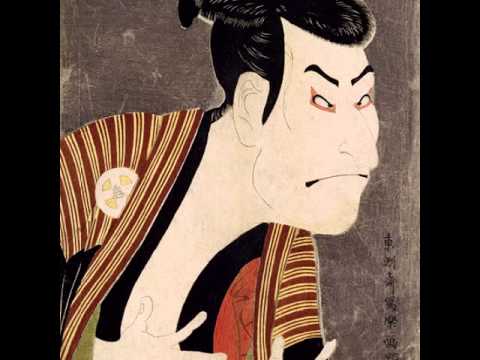
Originating as a kakegoe—a highly disciplined vocal call used by drummers in classical Japanese Noh and Kabuki theater—this viral "Yooooo!" sound sting is perfectly paired here with a classic ukiyo-e woodblock print. The artwork, widely attributed to the legendary 18th-century artist Toshusai Sharaku, features a striking portrait of a kabuki actor. The intense, cross-eyed scowl captured in the image is known as a mie pose. This is a signature stagecraft technique where an actor suddenly freezes in a highly exaggerated, statuesque expression to fiercely punctuate a climactic moment on stage.

The mechanics of this combination are genuinely fascinating. From an acoustic and psychological standpoint, the kakegoe serves to manipulate the audience's perception of time. By breaking the silence with an elongated, modulating vocal frequency right before a sharp percussive strike, the drummer forces the audience's absolute cognitive focus onto the actor's frozen mie pose. It utilizes ma—the Japanese artistic concept of negative space or the "dramatic pause"—to artificially suspend time and build maximum dramatic tension before a scene resolves.

The Community Reacts: The Historical "Bruh"

The internet aggressively stripped this sacred theatrical technique of its original context, weaponizing the intense vocal modulation for everyday comedic timing. Filtering through the cultural remixes, these curated comments perfectly deconstruct the soundbite's digital evolution:

  • The Cultural Translation: Hero commenter @CaseyR285 perfectly localized the ancient theater call for the digital age: "as a native, I can confirm that this is our “bruh”". This hilariously recontextualizes a highly disciplined, centuries-old expression of intense dramatic climax into the modern internet's favorite sound of sheer, exhausted disappointment.

  • The Universal Soundboard: Selected commenter @Thetorque665 echoed this exact linguistic shift: "The japanese "bruh" sound effect". It highlights how global web culture flattens complex historical art forms into easily deployable, universally understood reaction buttons.

  • The Overconfident Linguist: Hero commenter @SilentMemer roasted the anime-enthusiast community: "When you learn your first japanese word". The joke captures the exact, misplaced bravado of someone confidently screaming an elongated theatrical vowel in casual conversation because they heard it once in a samurai film.

  • The Built-In Soundtrack: Selected commenter @ultimate90sgamer17 turned their heritage into a video game mechanic: "As a Japanese man, I can confirm that this plays whenever we enter any room in any other country". It brilliantly imagines a reality where citizens travel internationally equipped with their own personal, non-diegetic boss-encounter music.

What makes this specific audio-visual pairing so incredibly durable is how perfectly historical Japanese theater aligns with modern digital humor. Today's meme culture has essentially recreated this exact comedic timing from scratch. By relying on a sudden visual freeze-frame combined with a sharp, unexpected audio cue to flawlessly land a punchline, modern digital absurdity has proven to be an accidental, direct evolution of 18th-century Kabuki stagecraft.

Do you find this post helpful?

Comments:
The Ultimate Broadcast Absurdity Meme: "Why Are You Gae?"

"He went *STRAIGHT* to the point"

@Alienboi2005vidsandstuff3y ago
53.8k

The Ultimate Broadcast Absurdity Meme: "Why Are You Gae?"

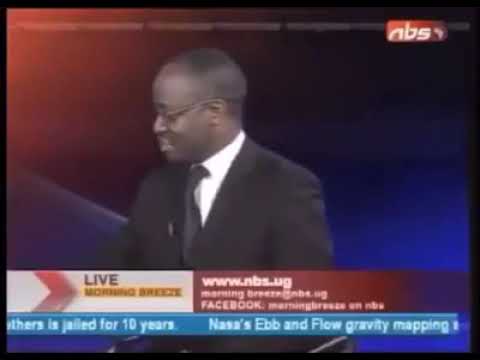
If there was a Mount Rushmore of internet memes, this 2012 clip from the Ugandan TV show Morning Breeze by NBS Television would be carved in stone. The interview features presenter Simon Kaggwa Njala staring at human rights activist Pepe Julian Onziema before dropping the most hilariously blunt, deadpan icebreaker in broadcast history: "Why are you gay?" The sheer absurdity of the delivery turned a serious political broadcast into absolute comedy gold. By abandoning all standard journalistic etiquette for a jarringly abrupt confrontation, the moment instantly transcended its original context, cementing its legendary status as one of the most recognizable and endlessly remixed reaction videos of all time.

The Community Reacts: Deadpan Comedy

The internet immediately seized on the surreal pacing of the exchange. Filtering through the millions of laughs, these curated comments perfectly deconstruct why this specific interview feels like a masterful comedy sketch:

  • The Double Entendre: Hero commenter @Alienboi2005vidsandstuff nailed the interviewer's complete lack of tact with a brilliant piece of wordplay: "He went STRAIGHT to the point". The pun playfully contrasts the specific subject matter with Njala's aggressive, zero-buildup interviewing style, highlighting how he entirely abandoned standard journalistic etiquette to drop a massive conversational bombshell without any warning.

  • The Awkward Preamble: Hero commenter @smartmart3095 highlighted the fumbling introduction that set the stage: “Mister..should I call you mister”. This focuses on the profound hesitation immediately preceding the questioning. The joke thrives on the hilarious contrast between Njala's visible, awkward struggle to figure out basic polite address, followed seconds later by him delivering the most blunt, unpolished personal question imaginable.

  • The Absurdist Script: Selected commenter @kishanbhatt1206 simply transcribed the rapid-fire flow: ""Should I call you Mista?" "Why are you gay?" "Who says I'm gay?" "YOU ARE GAY." The most brilliant conversation in human history". By stripping away the visuals and writing it out as pure dialogue, the comment proves that the actual exchange reads exactly like a highly scripted, absurdist Monty Python sketch. The sheer speed at which Njala confidently dictates his guest's identity back to him is completely detached from reality.

  • The Iconic Phonetics: Selected commenter @tonystar8224 noted the cultural delivery of the line: "The African accent just made it.10× more funnier 😂😂". The specific cadence and serious, heavily rhythmic pronunciation of "gae" completely alters the weight of the question. It is this exact, deadpan vocal delivery that transformed a brief television clip into a universally recognizable, endlessly loopable soundbite used by thousands of content creators.

  • The Cinematic Universe: Selected commenter @VirtuallyVain seamlessly crossed the streams of internet history: "Why... are you running ?!". By dropping a famous quote from an entirely different, equally legendary Nollywood film meme from the movie Pretty Liars 1 into this thread, the comment creates a hilarious fictional universe. It playfully connects the web's greatest cultural exports, treating these viral African broadcasts and movies as if they all exist within the same interconnected comedic timeline.

The Reality Behind the Reaction

While the viral clip provides endless entertainment, it masks a highly complex social climate. In recent years, Uganda has passed some of the strictest legislative measures globally regarding sexual orientation, establishing severe legal penalties and extended judicial sentences for related activities. This stark contrast between the internet's favorite lighthearted reaction meme and the serious legislative reality creates a fascinating duality, perfectly illustrating how global web culture often completely detaches digital media from its original, real-world context.

Do you find this post helpful?

Comments: