Niko Bellic Describes America in Grand Theft Auto IV

""Everything is just advertising with nothing to back it up" 2008 rockstar describes 2021 rockstar"

@MayYTlive4y ago
25.7k

Niko Bellic Describes America in Grand Theft Auto IV

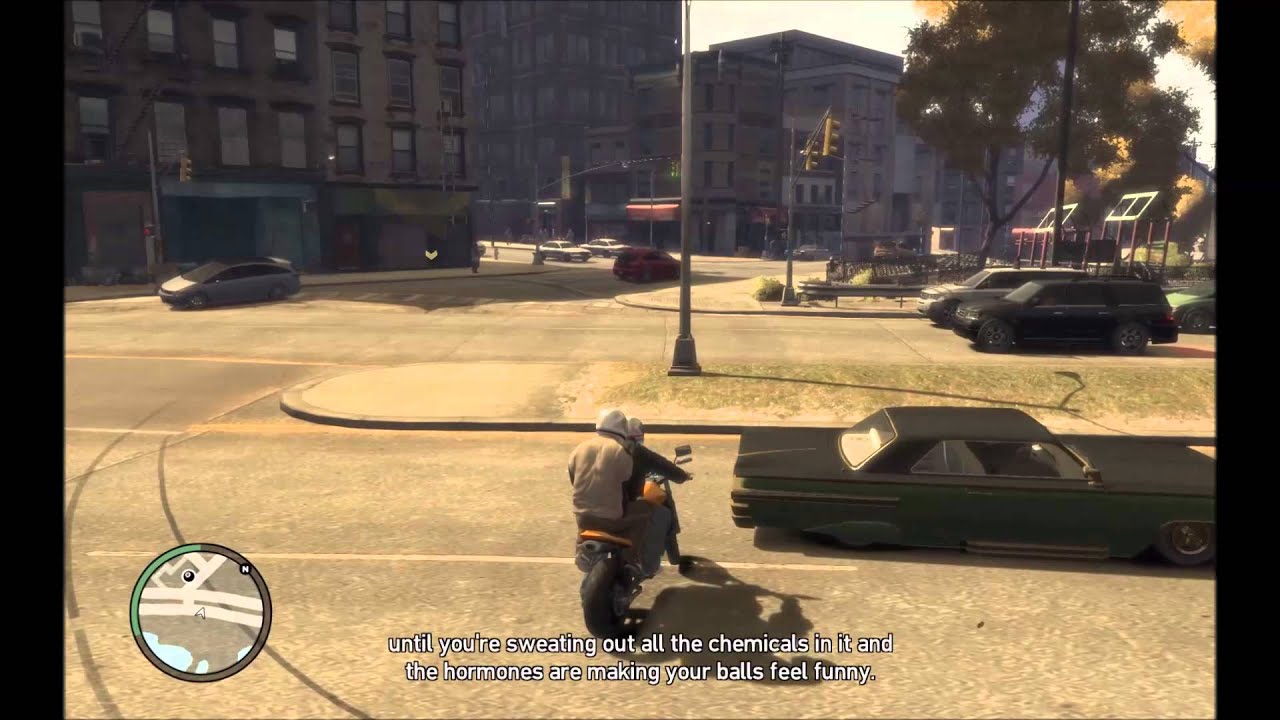
There’s a particular irony sitting at the heart of Grand Theft Auto IV. A game fundamentally built around theft, high-speed chases, and chaos ended up delivering one of the most quietly thoughtful pieces of writing the medium has ever seen.

You feel it most through Niko Bellic — an immigrant who arrives in Liberty City chasing a cousin’s exaggerated promises of easy money, only to find a world that runs on exactly the kind of hustling, lying, and disappointment he thought he had left behind. He isn't a blank cipher designed just to shoot things; he is tired, sardonic, and painfully self-aware.

What keeps resurfacing in fan discussions years later is Niko’s blunt dismantling of the "land of opportunity" myth. He delivers his critiques not as a preachy rant, but almost as an aside. He isn’t lecturing the player about capitalism; he’s simply a guy who came looking for a promise and found a hollow sales pitch instead. The game’s satire cuts in every direction—fake self-help gurus, empty reality-TV culture, and real estate scams—yet it’s all delivered with a wink, ensuring the cynicism never curdles into total bleakness.

How Players Remember Liberty City

Looking at how the community reacts to this dialogue today, it is clear that Niko's observations have taken on a prophetic quality. Fans consistently point out how the game's writing predicted not just society, but the trajectory of the gaming industry itself:

  • Predicting the Future of the Franchise: Top hero commenter @MayYTlive highlights the sheer meta-irony of Niko's line, "Everything is just advertising with nothing to back it up," adding the sharp observation that "2008 rockstar describes 2021 rockstar".

  • A Self-Fulfilling Satire: Echoing this exact sentiment, fellow hero commenter @rupel190 points out the stark contrast with the franchise's modern identity, noting, "It's beautiful how they made a parody of themselves looking at what GTA V has become." This is further backed by @vuvietanh7472, who observes, "It's ironic that everything Niko said is basically true in GTA V."

  • A Masterclass in Character Depth: Beyond the social commentary, user @michaellecis7849 praises the grounded portrayal of Niko himself, calling him "hands down the smartest character ever seen as a protagonist" and commending the developers for making him "a real human being with a lot of different shades in his personality".

  • The Franchise Peak: Summarizing the overarching sentiment of the fanbase, @undead9999 simply states, "GTA IV has probably the best writing in the series."

Ultimately, that underlying tension is exactly why comparisons to later entries keep surfacing. Where sequels leaned much harder into blockbuster spectacle and over-the-top action, GTA IV's story stayed rooted in something deeply uncomfortable and human. It remains a rare achievement for an open-world crime simulator to function as a genuine character study, proving that Liberty City's greatest asset wasn't its size, but its soul.

Do you find this post helpful?
Comments:
STALKER: Fallout for Men

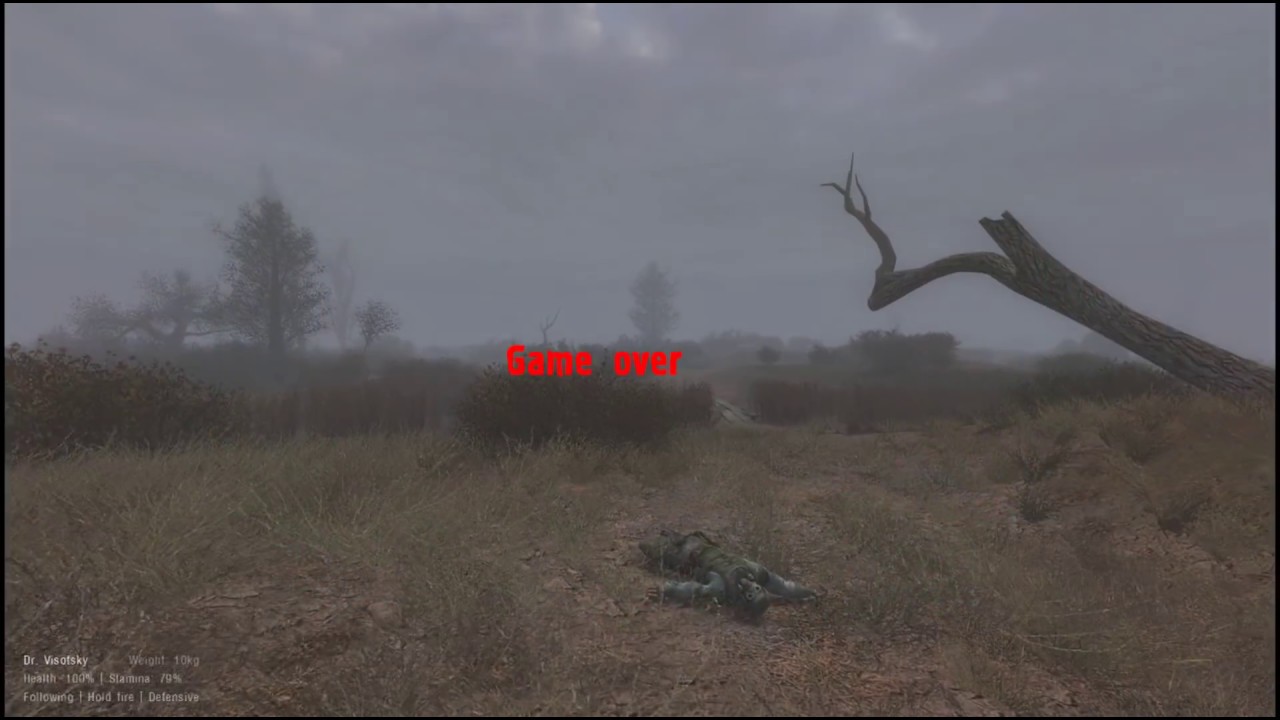
"This is why I quick save every 5 seconds while playing STALKER"

@Consural9y ago
6.3k

STALKER: Fallout for Men

Welcome to the Zone, stalker. Developed by Ukrainian studio GSC Game World, the S.T.A.L.K.E.R. franchise isn't just a survival shooter; it's a rite of passage. Throwing players into a bleak, alternate-history Chernobyl Exclusion Zone, the series explores the aftermath of a mysterious second disaster. This cataclysm radically altered the landscape, giving rise to gravity-defying anomalies, terrifyingly mutated fauna, and physics-bending "artifacts." You step into the boots of a "stalker," a scavenger drawn to this highly radioactive wasteland to hunt for these priceless anomalies, knowing full well that every expedition could be your last.

The Franchise Timeline

To understand the legacy of the Zone, you have to look at its history. Here is how the seminal franchise has evolved over the years:

The A-Life System: An Indifferent Ecosystem

A defining trait that separates S.T.A.L.K.E.R. from conventional open-world RPGs—most notably Fallout—is its proprietary A-Life system.

Forget the hero-centric power fantasies where the world waits for the "Chosen One" to act. The Zone doesn't care about you. It operates entirely on an underlying, autonomous simulation. Factions engage in dynamic territorial disputes, bandits raid lonely outposts, and mutated wildlife follows a strict predatory hierarchy, all happening seamlessly whether you are there to witness it or not. You are merely another fragile entity trying to navigate a hostile, living ecosystem.

Brutal Combat & The Modding Legacy

This commitment to realism means the game ruthlessly eschews hand-holding, intrusive HUDs, and convenient fast-travel systems. Resources are severely limited, hunger and radiation are constant threats, and your trusty assault rifle will jam in the middle of a firefight.

  • Lethal AI: Enemy stalkers aren't just target practice. They will actively flank you, retreat when wounded, summon reinforcements, and land devastatingly precise shots during chaotic encounters.

  • Environmental Hazards: A single careless sprint into a hidden anomaly field can instantly end a dozens-of-hours-long playthrough.

  • Community Overhauls: This hardcore design philosophy fostered one of the most dedicated modding communities in PC gaming. Fans have engineered standalone masterworks like S.T.A.L.K.E.R. Anomaly, a free open-ended sandbox, and G.A.M.M.A., an overhaul that reworks the economy and artifact progression into the ultimate survival experience.

The Community Reacts: A "Heart Attack Simulator"

This unforgiving design is exactly why the fanbase is so deeply passionate. The sheer unpredictability and constant suspense of the game have traumatized and thrilled players in equal measure, perfectly reflected in the community's reactions:

  • The Paranoia: Hero commenter @Consural perfectly summed up the core gameplay loop, noting, "This is why I quick save every 5 seconds while playing STALKER".

  • The Reality Check: Emphasizing the game's brutal, uncompromising fairness, @post-apocalypticcomingsoon1625 stated, "The zone giveth and the zone taketh away."

  • The Wildlife: Reacting to the terrifying mutant encounters that define the series, @kjristian9618 claimed, "If something doesn't jump to your face then is not an STALKER game...", while @kabbablabba4073 simply dubbed the experience an "Australia Simulator".

The Enduring Allure of the Zone

In an era dominated by hand-holding tutorials, brightly lit objective markers, and heavily scripted set pieces, S.T.A.L.K.E.R. stands as a towering monument to emergent, uncompromising game design. It is a franchise built on tension, atmosphere, and the sheer dread of the unknown. With the massive, sustained success of its hardcore modding scene and the triumphant 2024 arrival of Heart of Chornobyl, GSC Game World has definitively proven that players are still hungry for virtual worlds that bite back. The Zone is just as terrifying, punishing, and remarkably beautiful as it was in 2007—and we wouldn't have it any other way.

Do you find this post helpful?

Comments:
Khajiit gaslighting a thievery

"When your SNEAK is at 0 but your enemy's DEPRESSION is at 100."

@Lordani666y ago
68.9k

Khajiit gaslighting a thievery

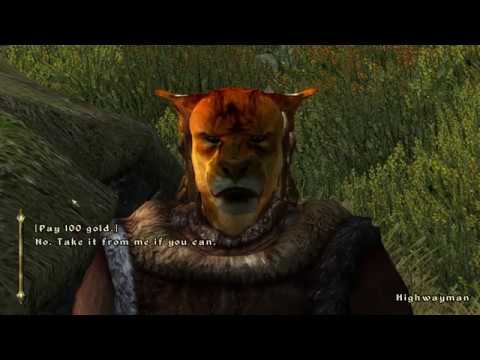
This viral clip originates from the classic open-world role-playing game, The Elder Scrolls IV: Oblivion. It captures one of the game's most memorable recurring random encounters: a Khajiit Highwayman who actively ambushes weary travelers on the road, demanding a toll to allow them safe passage. However, the twist that catapults this specific moment into viral territory is the player's ingenious response. After dutifully handing over the demanded gold, the player simply sneaks up and pickpockets it right back!

A Masterclass in Comedic Indignation

The true humor of this encounter stems from the Highwayman's reaction to being robbed. Now a victim himself, he reacts with almost comedic indignation, acting as if being stolen from is somehow entirely beneath him. This is fiercely ironic, considering he makes his living doing the exact same thing.

It plays out like a thief pompously lecturing someone else about the utter injustice of theft, seemingly convinced that his own crimes are justified while yours are an outrage. What should be a routine bandit encounter morphs into an oddly self-aware, almost philosophical meltdown over getting a taste of his own medicine.

The Community Weighs In: Stats, Cats, and Social Experiments

The community's response to this clip perfectly captures why Oblivion's quirky artificial intelligence remains legendary years after its release. Rather than just viewing it as a gameplay mechanic, viewers elevated the encounter in the comments section:

  • The Ultimate RPG Stat Check: The top hero comment by @Lordani66 perfectly captures the absurd game logic on display, joking, "When your SNEAK is at 0 but your enemy's DEPRESSION is at 100." It hilariously frames the bandit's total lack of reaction to being robbed in broad daylight as less of an AI glitch and more of a profound, existential defeat.

  • Feline Philosophy: Touching upon the bandit's Khajiit race, fellow hero commenter @jamievally3176 noted that the thief's reaction "Sounds exactly like somethin’ a cat would say if cats could talk", adding a brilliant layer of humor for anyone who owns an occasionally hypocritical feline.

  • The Modern Prankster: User @handlemanutsloollll modernized the encounter seamlessly by stating, "He just did a social experiment." It frames the player not as a fellow thief, but as a Cyrodiil internet prankster testing the ethical boundaries of the local highwaymen.

  • The Accidental Hero: Taking a different comedic angle, @5MadMovieMakers analyzed the Highwayman's forced redistribution of wealth, joking, "He's Robin Hood, he takes from the rich and gives to the poor." It perfectly highlights the absurdity of the Highwayman inadvertently funding the player he just tried to rob.

  • A Satirical Nostalgia Trip: Finally, @zlatanmessineymar68 brought in a classic internet trope, commenting, "Not a single phone in sight. Just people living in the moment. Beautiful." Applying this overly sentimental meme to a glitchy, low-resolution robbery in a 2006 video game creates a brilliant layer of sarcastic contrast.

The Verdict

Moments like these highlight why games with emergent mechanics continue to dominate the gaming content space. The collision of rigid NPC logic, player freedom, and sheer irony creates a timeless brand of unintentional comedy. It turns a standard gaming trope into a hilarious commentary on morality, proving that sometimes, the best storylines in gaming are the ones players create themselves by breaking the rules.

Do you find this post helpful?

Comments:
The Greatest Line In Gaming History From GTA San Andreas

"”Now I know you’re blind, man. But you gotta see this...”"

@Megumi_Bandicoot6y ago
65.4k

The Greatest Line In Gaming History From GTA San Andreas

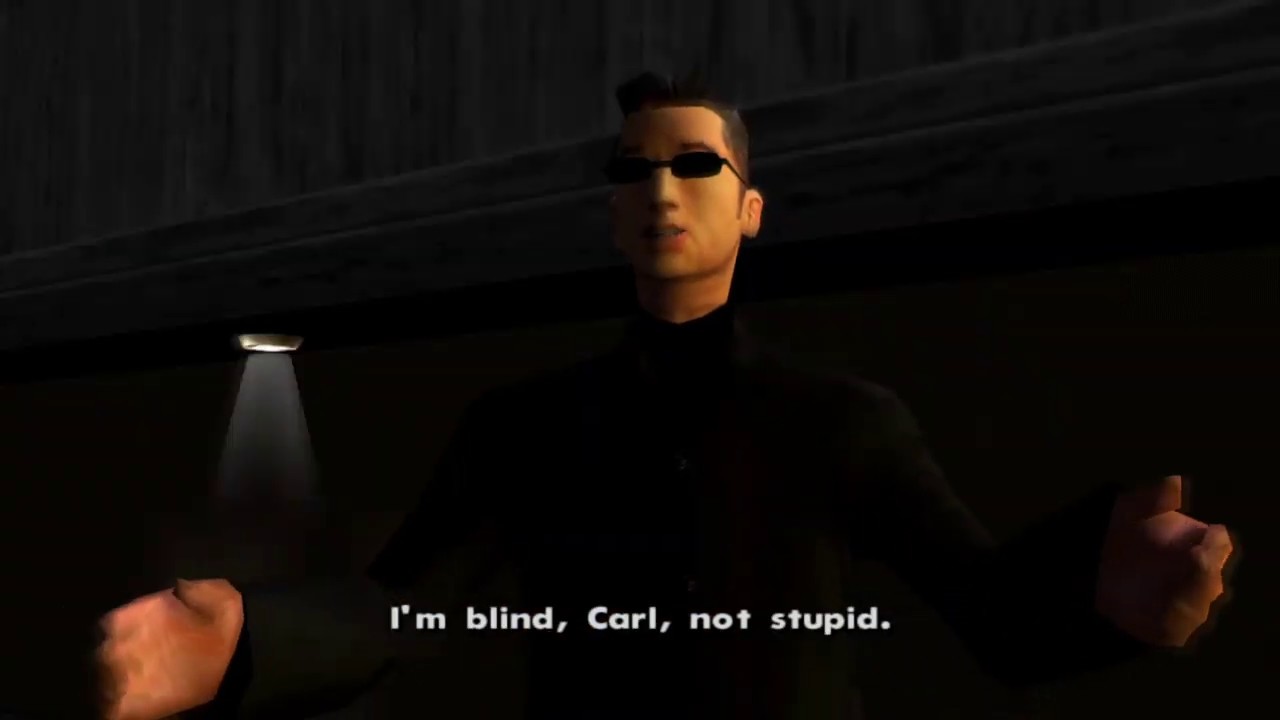
The enduring comedic brilliance of Grand Theft Auto: San Andreas (2004) lies in its absolute refusal to wink at the camera. This specific cutscene between protagonist Carl "CJ" Johnson and the blind Triad boss Wu Zi Mu (Woozie) is a perfect example of the game's signature deadpan humor. When presenting critical information, CJ frantically blurts out, "Now I know you're blind, man. But you gotta see this..." The writing brilliantly forces CJ to treat the narrative urgency of the moment as a higher priority than the physical reality of his friend's permanent disability. The absurdity of that oblivious logic is instantly grounded by Woozie's calm, matter-of-fact response: "I'm blind, Carl, not stupid." It is character-driven, situational comedy at its absolute peak, relying entirely on the flawless vocal delivery of the actors rather than cheap slapstick.

The Community Reacts: A Masterclass in Deadpan

The internet continues to endlessly recycle these cutscenes because the PS2-era writing still outshines most modern game scripts. Filtering through the nostalgia, these curated comments perfectly deconstruct the layers of physical and spoken comedy within the scene:

  • The Oxymoron: Hero commenter @Megumi_Bandicoot simply isolated the legendary setup: "Now I know you're blind, man. But you gotta see this...". By pulling the quote out of the context of the game, the comment highlights the sheer grammatical absurdity of CJ's thought process, treating vision as a highly recommended but ultimately optional requirement for looking at something.

  • The Existential Crisis: Hero commenter @imstillw8ing pitched a hilarious hypothetical dialogue: "Carl: “You do realize I’m black not Chinese?” Woozie: “Wait, am I Chinese??”". This perfectly captures the surreal, slightly unhinged logic of the game's character dynamics, imagining a scenario where the blind crime boss is completely oblivious to his own demographics.

  • The Phantom Goodbye: Selected commenter @prodbyjushin analyzed the scene from the blind character's perspective: "Love that CJ just waves Woozie off near the end like he's supposed to see it. As far as Woozie knows, CJ just left without saying goodbye." It highlights the hidden comedic tragedy of the interaction, pointing out that CJ's forgetfulness effectively makes him look incredibly rude in Woozie's reality.

  • The Silent Punchline: Selected commenter @asinski324 echoed the appreciation for the physical comedy: "I like how Carl waved Woozie at the end." It reinforces how the cinematic direction perfectly complemented the writing, proving that CJ's complete inability to remember his friend's condition extends entirely to his involuntary body language.

  • The Useless Superpower: Selected commenter @f8ded compared the Triad boss to a famous comic book hero: "woozie is like marvel's daredevil, but his powers are being able to sense someone's race from only their voice". It hilariously reduces the cool cinematic trope of heightened compensatory senses into a hyper-specific, entirely unimpressive conversational party trick.

Decades after its launch, San Andreas remains an infinite well of digital culture because of this exact tone. The game never sacrifices its gritty, cinematic atmosphere for a laugh; instead, it lets the natural friction between its incredibly well-written, deeply flawed characters generate the comedy organically. It stands as a historical masterclass in video game dialogue, proving that a perfectly delivered line of oblivious logic will always outlive graphical limitations.

Do you find this post helpful?

Comments: